
https://idealbrushindustry.in/High Quality Wall Paint Brushes: A Simple Guide for Perfect Painting Painting your walls can change the look of your home quickly. But to get a smooth and clean finish, you need the right tools. One of the most important tools is a high quality wall paint brush. A good brush makes painting easier. It also helps the paint spread evenly. When you use a high quality brush, your wall looks neat, smooth, and professional. This guide explains the benefits of high quality brushes, how to choose the best one, and how to use and care for them. The language is simple. The sentences are short. You will understand every point easily. Why High Quality Wall Paint Brushes Matter Here are the main benefits: Smooth and even paint finish No bristle shedding Better paint control Less dripping Fast and easy painting Longer brush life When you want a clean and flawless wall, quality matters. Features of a High Quality Wall Paint Brush A great brush has many important features. These features make the brush strong, soft, and easy to use. 1. Strong Bristles High quality brushes use firm and flexible bristles. They do not fall out while painting. They hold paint better and spread it smoothly. 2. Comfortable Handle A good brush has a comfortable handle. It fits your hand well. It feels light. This helps you paint longer without getting tired. 3. Rust-Free Ferrule The metal part that holds the bristles is called the ferrule. A high quality brush uses rust-free metal. It keeps the bristles in place for a long time. 4. Smooth Paint Flow High quality brushes spread paint evenly. They create clean lines without streaks. 5. Good Absorption A good brush holds just the right amount of paint. This helps you cover more area with fewer dips. https://idealbrushindustry.in/Types of High Quality Wall Paint Brushes Different brushes work for different tasks. Here are the most common types: • Flat Brush This brush has straight bristles. It works well for large flat areas. It gives a smooth finish. • Angled Brush This brush has slanted bristles. It helps you paint corners, edges, and trims. It gives sharp and clean lines. • Round Brush This brush has a round shape. It is good for details and tight spaces. • Wide Wall Brush This brush is broad and flat. It covers more area. It is great for quick painting on walls. • Synthetic Bristle Brush This brush works best with water-based paints. It spreads paint smoothly. • Natural Bristle Brush This works well for oil-based paints. It gives a soft and even finish. How to Choose the Best High Quality Wall Paint Brush ✔ Pick the Right Size Small brushes work for small areas. Large brushes work better for bigger walls. A 2-inch to 4-inch brush is ideal for wall painting. ✔ Choose the Right Bristle Type Synthetic bristles work best for most modern wall paints. They last long and hold paint well. ✔ Check the Bristle Tip High quality brushes have flagged tips. These tips help the brush hold more paint and spread it smoothly. ✔ Test the Flexibility Bristles should be firm but flexible. They should snap back to shape easily. ✔ Look for a Strong Handle A wooden or ergonomic handle gives better grip and control. ✔ Avoid Low-Quality Options Cheap brushes shed bristles. They leave streaks. They do not absorb paint well. Always avoid them. How to Use a High Quality Wall Paint Brush Painting with a high quality brush is simple. But using the right technique gives even better results. 1. Dip the Brush Lightly Dip only one-third of the bristles into the paint. Do not dip the whole brush. 2. Tap Off Extra Paint Tap the brush on the side of the can. This prevents drips. 3. Start with the Edges Paint borders, corners, and trims first. Use smooth, slow strokes. 4. Use Light Pressure Do not press hard. Light strokes give smoother lines. 5. Work in Small Sections Paint small areas one at a time. This helps you keep control. 6. Keep the Brush Wet Do not let paint dry on the brush while working. Dip it again when needed. How to Care for High Quality Wall Paint Brushes Good care keeps your brushes in great condition. Follow these simple steps: ✔ Wash After Every Use Use warm water for water-based paint. Use thinner for oil-based paint. ✔ Remove All Paint Rinse until the water runs clear. ✔ Dry Properly Shake off water. Shape the bristles. Lay the brush flat to dry. ✔ Store Safely Keep brushes in a dry place. Do not store them with bristles facing down. ✔ Keep Bristles Straight Use a brush comb or your fingers to keep the shape. Taking good care helps the brush last longer work better. Final Thoughtshttps://idealbrushindustry.in/ A high quality wall paint brush is an important tool for anyone who wants smooth and beautiful walls. It helps you paint faster, cleaner, w more control.

Best painting wall brush vs roller 1
https://idealbrushindustry.in/brush vs rollerPainting Wall Brush vs Roller: Which One Should You Use? When you paint a wall, the tool you choose matters a lot. Most people use either a paint brush or a paint roller. Both tools help you apply paint. But they work in different ways. Each has its own benefits. Each also has its own limits. This simple guide explains the difference between a wall paint brush vs roller so you can pick the best one for your project. Why Choosing the Right Tool Matters The right tool helps you work faster. It also helps you get a smooth and clean finish. If you choose the wrong tool, you may see streaks, marks, or uneven paint. This means more work and more time. Understanding the difference between brushes and rollers makes painting easier for beginners and experts. What Is a Paint Brush? A paint brush has bristles. The bristles can be natural or synthetic. Brushes come in many sizes. Some are small for detail work. Some are big for larger areas. Brushes are easy to hold and control. They are great for careful and slow painting. When to Use a Brush A brush works best for: Corners Edges Window frames Door frames Small sections Tight spaces Trims Touch-ups Brushes give you control. You can move them slowly and carefully. They help you paint neat lines. What Is a Paint Roller? A paint roller has a cylinder covered with fabric or foam. It holds a lot of paint. It spreads paint fast. Rollers come in different sizes and textures. A small roller works for small spaces. A large roller covers walls quickly. When to Use a Roller A roller works best for: Large walls Ceilings Big rooms Quick coverage Smooth finishes Rollers spread paint evenly. They help you finish big areas in less time. Painting Wall Brush vs Roller: Key Differences Here are the main differences between a brush and a roller: 1. Speed Brush: Slow Roller: Fast Rollers cover large areas quickly. Brushes take more time. 2. Control Brush: High control Roller: Medium control Brushes help you paint clean lines. Rollers do not work well on small details. 3. Surface Brush: Good for edges and corners Roller: Good for wide, flat surfaces Rollers work better on walls and ceilings. Brushes work better on edges and trims. 4. Finish Type Brush: Smooth but sometimes shows brush marks Roller: Smooth and even coverage Rollers leave fewer streaks on large areas. 5. Paint Amount Brush: Holds less paint Roller: Holds more paint Rollers reduce the number of times you need to dip into the paint tray. 6. Cost Brush: Usually cheaper Roller: Slightly more expensive Both tools are affordable, but rollers cost more. Pros and Cons of Paint Brushes Pros Great control Perfect for detailed work Easy to use Good for corners Works with all paint types Cons Slow Leaves brush marks sometimes Not ideal for large walls Pros and Cons of Paint Rollers Pros Fast coverage Smooth finish Holds more paint Great for big walls Reduces streaks Cons Not good for edges Hard to use in tight spaces Can splatter paint Which One Should You Use? Choosing between a brush and a roller depends on your project. Use a Brush If: You are painting corners. You need clean lines. You are working on trim or windows. You want more control. You are doing small touch-ups. Use a Roller If: You are painting a large wall. You want to finish fast. You want a smooth and even finish. You want to cover a big area with fewer strokes. Most painters use both tools. This gives the best results. How to Use a Brush and Roller Together For the best finish, use both tools. Here is a simple and easy method: Step 1: Cut In the Edges Use a small or angled brush. Paint around the edges, corners, and borders first. Step 2: Use the Roller for the Main Area Load your roller with paint. Roll it on the tray to spread the paint evenly. Then roll it on the wall in smooth strokes. Step 3: Blend the Areas Roll lightly over the painted edges to blend them with the wall. This removes lines and gives a smooth look. Step 4: Apply a Second Coat Wait for the first coat to dry. Then repeat the steps. Two thin coats look better than one thick coat. https://idealbrushindustry.in/Tips for Better Results Use a short nap roller for smooth walls. Choose a good-quality brush. Do not overload your brush or roller. Move the roller in a “W” pattern. Paint from top to bottom. Keep strokes light and even. Final Thoughts When comparing painting wall brush vs roller, both tools are useful. A brush gives control and neat lines. A roller gives speed and smooth coverage. The best results come when you use both together. Use brushes for detail work and rollers for big areas.https://idealbrushindustry.in/
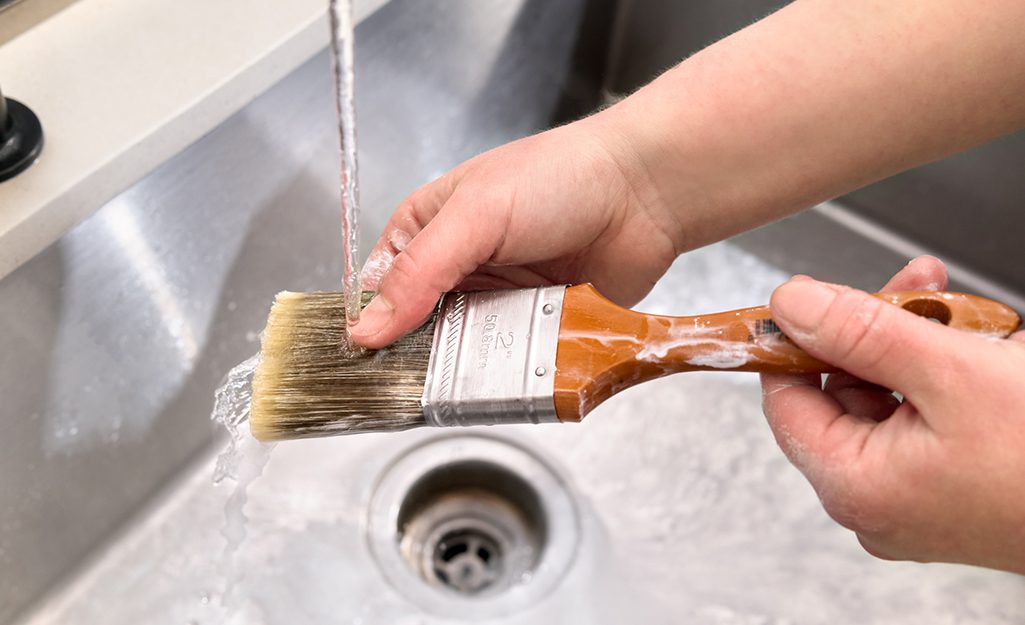
effective how to wash wall paint brushes1
https://idealbrushindustry.in/How to Wash Wall Paint Brushes: A Simple Step-by-Step Guide Cleaning your paint brushes the right way is very important. It helps your brushes last longer. It also makes your next painting job easier. Many people throw their brushes away after one use. But this wastes money. You can clean your wall paint brushes at home in just a few minutes. The steps are simple, and the tools are easy to find. In this guide, you will learn how to wash wall paint brushes properly. The language is simple. The sentences are short. You will understand every step clearly. Why You Should Clean Wall Paint Brushes A clean brush works better than a dirty one. When you clean the brush, the bristles stay soft. They hold paint well. They make smooth and even strokes. A dirty brush becomes hard. It leaves marks on the wall. It cannot spread paint smoothly. Here are the main benefits of cleaning your brushes: Saves money Makes brushes last longer Keeps bristles soft Helps paint spread evenly Reduces mess Makes your next project easier Cleaning brushes is simple. You only need the right method. What You Need to Clean Paint Brushes Before you start, gather a few basic items. You do not need anything expensive. You will need: Warm water A bucket or bowl Mild soap or dish liquid Paint thinner (for oil-based paint) A comb or brush cleaner tool Paper towels or a clean cloth Gloves (optional) https://idealbrushindustry.in/How to Wash Brushes After Using Water-Based Paint Most wall paints today are water-based. These paints are easy to clean. You only need water and soap. Here are the steps: Step 1: Remove Extra Paint Wipe off extra paint using a cloth or paper towel. Do not skip this step. It makes cleaning easier. Step 2: Rinse Under Warm Water Hold the brush under warm running water. Move your fingers through the bristles. This helps loosen the paint. Step 3: Add Soap Put a few drops of mild soap on the bristles. Gently work the soap into the brush. Press the bristles with your fingers to clean deeper. Step 4: Comb the Bristles Use a brush comb or an old comb. Run it through the bristles. This removes paint stuck inside. Step 5: Rinse Again Wash the brush under warm water again. Make sure all the soap and paint come out. Step 6: Shake Off Water Shake the brush gently to remove water. You can also press it between a towel. Step 7: Shape and Dry Shape the bristles with your fingers. Lay the brush flat to dry. Do not stand it upright. Water can damage the handle. How to Wash Brushes After Using Oil-Based Paint Oil-based paint needs a different method. Water alone does not clean it. You need paint thinner or mineral spirits. Follow these steps: Step 1: Wipe Extra Paint Use a paper towel to remove thick paint from the brush. Step 2: Pour Paint Thinner Fill a small bowl with paint thinner. Dip the brush into it. Move the brush around to loosen the paint. Step 3: Soak and Swirl Let the brush soak for a few minutes. Swirl it gently. Do not press too hard. Step 4: Use a Comb Use a comb to clean deep inside the bristles. Step 5: Wash With Soap After using paint thinner, wash the brush with warm water and soap. This removes the chemical smell. Step 6: Rinse Well Rinse the brush under warm water until clean. Step 7: Dry Properly Shake off water. Shape the bristles. Let the brush dry flat. Tips to Keep Your Wall Paint Brushes in Good Condition Here are some helpful tips: ✔ Clean Brushes Right Away Do not let paint dry on the brush. It becomes harder to clean. ✔ Do Not Soak for Too Long Long soaking can damage the glue holding the bristles. ✔ Store Brushes Properly Keep brushes flat or hang them by the handle. This keeps the shape right. ✔ Use the Right Cleaner Water for water-based paint. Thinner for oil-based paint. ✔ Avoid Hot Water Use warm water only. Hot water can damage the bristles. ✔ Do Not Press Too Hard Hard pressure bends the bristles. https://idealbrushindustry.in/Common Mistakes to Avoid Many people make simple mistakes when washing paint brushes. Try to avoid these: Letting paint dry on the brush Using the wrong cleaning liquid Using boiling water Pulling bristles too hard Storing the brush upright while wet Not removing excess paint before washing Final Thoughts Knowing how to wash wall paint brushes is important for anyone who paints. It does not matter if you paint often or just once in a while. Washing your brushes the right way keeps them soft, clean, and ready for the next project. Use warm water and soap for water-based paint. Use paint thinner for oil-based paint. Follow the simple steps. Take your time. Care for the bristles…
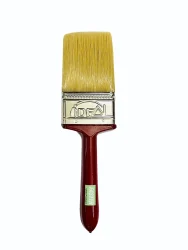
small wall paint brushes
https://idealbrushindustry.in/Small Wall Paint Brushes: A Simple Guide for Neat and Precise Painting Painting a wall seems simple, but the right tools make the job much easier. One important tool is a small wall paint brush. This brush may look tiny, but it plays a big role in getting clean and neat results. Small brushes help you paint corners, tight spaces, edges, and detailed areas. They give you control and make your work look professional. This article explains why small wall paint brushes are important, how to choose the best one, how to use them correctly, and how to take care of them. The language is simple. The sentences are short. The information is easy to understand. Types of Small Wall Paint Brushes Small wall paint brushes come in different shapes and sizes. Each type has a special use. Here are the most common ones: 1. Small Flat Brush This brush has straight bristles. It is perfect for small flat surfaces. It gives smooth strokes. It works well for edges and trims. 2. Small Angled Brush This brush has slanted bristles. It is great for cutting-in work. It helps you paint along borders. It gives sharp and clean lines. 3. Small Round Brush This brush has round bristles. It is useful for corners and tight spots. It also helps with textured areas. 4. Detail Brush This tiny brush helps you paint very small lines. It is perfect for touch-ups and small repairs. 5. Small Foam Brush This brush is soft. It spreads paint smoothly. It works well for finishes and coatings. Features of a Good Small Wall Paint Brush A good small paint brush must be well-made. It should work smoothly and not shed bristles. Here are the top features to look for: ✔ Strong Bristles The bristles should not fall out. They should be firm but flexible. They should hold paint well. ✔ Comfortable Handle The handle must feel good in your hand. It should be light and easy to move. ✔ Smooth Edges A good brush gives clean lines. It should not leave streaks or marks. ✔ Rust-Free Ferrule The metal part should be strong. It should not get rusty. It should hold the bristles tightly. ✔ Good Paint Absorption A good brush holds enough paint. It should not drip or create messy lines. How to Choose the Best Small Wall Paint Brush Choosing the right small brush helps you get better results. Here are key things to consider: • Size Small brushes come in sizes from 0.5 inch to 2 inches. Choose a smaller size for tight corners. Choose a slightly bigger size for trims. • Bristle Type Synthetic bristles work best with water-based paint. Natural bristles are good for oil-based paint. • Shape Flat brushes give smooth coverage. Angled brushes help with sharp edges. Round brushes work for curved or tight areas. • Quality Choose a good-quality brush. It lasts longer and gives cleaner results. Benefits of Using Small Wall Paint Brushes Small brushes offer many benefits. Here are the main ones: Better control Clean and sharp lines Perfect for corners Good for edges and trims No dripping Easy to handle Ideal for touch-ups Smooth and neat finish Small brushes help make your project look neat and professional. They give precision that big brushes cannot offer. https://idealbrushindustry.in/How to Use Small Wall Paint Brushes Using a small brush is simple. But a few tips help you get the best results: 1. Load the Brush Lightly Dip only the tip of the brush in paint. Do not overload it. 2. Tap Off Extra Paint Tap the brush gently to remove extra paint. This prevents drips. 3. Use Slow Strokes Move the brush slowly and evenly. This gives clean lines. 4. Work in Sections Paint one small area at a time. This helps you avoid mistakes. 5. Keep a Steady Hand Hold the brush firmly. Move it carefully along edges. 6. Avoid Pressing Too Hard Light pressure gives a smooth finish. How to Care for Small Wall Paint Brushes Good care helps your brush last long. Follow these steps: Wash Immediately After UseUse water for latex paint. Use thinner for oil paint. Remove All PaintRinse the bristles until clean. Dry the Brush ProperlyShake off water. Let it air dry. Keep the bristles straight. Store SafelyStore the brush in a clean and dry place. Keep the ShapeShape the bristles before storing. Taking care of your brush helps it stay in good condition. It also saves you money in the long run. Final Thoughts A small wall paint brush may seem simple, but it is an important tool for detailed painting. It helps you paint edges, corners, trims, and small areas with care. A good small brush gives you clean lines, smooth finishes, and better control. Choose the right size, type, and quality. Use the right technique. Take care of your brush. W the right small brush, your painting project becomes easier.https://idealbrushindustry.in
Large wall paint brushes 1
https://idealbrushindustry.in/Large Wall Paint Brushes: A Simple Guide for Fast and Smooth Painting Painting large walls can feel like a big job. But the right tool can make the work faster and easier. One of the best tools for this job is a large wall paint brush. It helps you cover more area in less time. It spreads paint smoothly and creates a clean finish. If you want neat and beautiful walls, you must choose the right large brush. This guide explains the benefits of large wall paint brushes, how to choose them, and how to use them. The language is simple, the sentences are short, and the information is easy to follow. Types of Large Wall Paint Brushes . Here are the most common ones: 1. Wide Flat Brush A wide flat brush has a large rectangular shape. It covers more area in one stroke. It spreads paint evenly. It is perfect for walls, ceilings, and wide surfaces. 2. Block Brush A block brush is very large and thick. It holds a lot of paint. It is great for textured walls and rough surfaces. You can also use it for primers. 3. Large Angled Brush An angled brush has slanted bristles. The large version works well for edges and corners. It helps you paint trim and borders with clean lines. 4. Large Round Brush A round brush is not as common for walls. But the large version helps with curved areas and uneven corners. Key Features of Good Large Wall Paint Brushes Not all large brushes are good. Some leave lines, shed bristles, or feel too heavy. A good quality brush should have these features: ✔ Strong Bristles The bristles should not fall out. They should be firm but flexible. They should spread paint smoothly on the wall. ✔ Comfortable Handle The handle should feel good in your hand. It should be light and easy to grip. A strong handle helps you paint longer without pain. ✔ Tight Ferrule The ferrule is the metal band that holds the bristles. It must be tight and rust-free. A strong ferrule keeps the bristles in place. ✔ Good Absorption The brush should hold enough paint but not drip. This helps you work faster and create an even coat. ✔ Smooth Coverage A good large brush spreads paint evenly. It should not leave streaks or marks behind. How to Choose the Best Large Wall Paint Brush You must consider these factors to choose the right brush: • Size Large brushes come in different sizes. For big walls, choose a brush that is 4 to 6 inches wide. • Bristle Type Synthetic bristles work with water-based paint. Natural bristles work with oil-based paint. • Wall Surface Smooth walls need soft and short bristles. Rough walls need longer and stronger bristles. • Weight Choose a brush that is not too heavy. A lighter brush reduces hand strain. • Quality Always choose a well-made brush. It may cost more, but it lasts longer and gives better results. https://idealbrushindustry.in/Benefits of Using Large Wall Paint Brushes Here are the main benefits of large brushes: Faster coverage Smooth and even finish Less effort Easy to use Better control Long-lasting performance Clean lines on walls and edges Large brushes help you complete painting projects quickly. They also reduce the number of times you dip into the paint. This saves time and makes painting easier. Tips for Using Large Wall Paint Brushes Using a large brush is simple, but these tips help you get the best results: Load the Brush CorrectlyDip only the tip of the brush in paint. Do not dip it fully. Tap Off Extra PaintTap the brush gently to remove extra paint. This prevents drips. Use Long StrokesPaint with long, smooth strokes. This creates an even finish. Work from Top to BottomStart painting at the top of the wall and move down. This avoids drips and lines. Do Not Press Too HardPressing too hard leaves marks. Use light pressure for smooth results. Keep a Wet EdgeDo not let the paint dry between strokes. Keep painting to avoid lines. How to Care for Large Wall Paint Brushes Good brushes last longer when you take care of them. Follow these simple steps: Wash After Every UseUse water for latex paint and thinner for oil paint. Rinse Until CleanMake sure the brush is fully clean. Do not leave paint in the bristles. Dry the Brush ProperlyLet the brush air dry. Do not bend the bristles. Store in a Safe PlaceKeep the brush in a dry and clean area. Keep the ShapeShape the bristles with your fingers before storing. Final Thoughts A large wall paint brush is a great tool for quick, smooth, and clean painting. It helps you cover big areas with ease. It spreads paint evenly and gives beautiful results. https://idealbrushindustry.in/
good quality paint brushes 1
Good quality paint brushes https://idealbrushindustry.in/Good Quality Wall Paint Brushes: A Simple Guide for Smooth and Clean Walls Painting a wall looks easy, but the results depend on the tools you use. The most important tool is the paint brush. A good quality wall paint brush helps you paint faster and better. It gives a smooth finish, clean lines, and even coverage. A poor brush can leave marks, shed bristles, and waste paint. This is why choosing the right brush is very important. In this guide, you will learn how to select a good quality wall paint brush, what features to look for, and how to take care of your brushes. The language is simple, the sentences are short, and the content is easy to understand. Types of Wall Paint Brushes There are many types of brushes. Each type has a special job. Here are the main brushes used for wall painting: 1. Flat Brush A flat brush is wide and straight. It works well for large areas. It spreads paint smoothly. It is great for painting walls and ceilings. 2. Angled Brush An angled brush has slanted bristles. It helps you paint corners and edges with ease. It gives clean cuts along windows, doors, and trim. 3. Round Brush A round brush has a pointed tip. It helps with small details and tight areas. It is good for touch-up work. 4. Wide Wall Brush This is a big brush designed for walls. It covers more area. It saves time and gives a smooth finish. Features of Good Quality Wall Paint Brushes Not all brushes are the same. To get the best results, look for these qualities: ✔ Strong Bristles The bristles should be firm but soft. They must not shed. Synthetic bristles work best for water-based paint. Natural bristles work well for oil-based paint. ✔ Comfortable Handle A good handle feels light and easy to grip. It should not slip. A comfortable handle helps you paint longer without pain. ✔ Tight Ferrule The ferrule is the metal band that holds the bristles. A strong ferrule keeps bristles in place. It should not rust or loosen. ✔ Smooth Stroke A good brush spreads paint evenly. It does not leave streaks or marks on the wall. ✔ Good Absorption The brush should hold enough paint without dripping. This helps you work faster. https://idealbrushindustry.in/How to Choose the Right Brush for Your Wall Different walls and paints need different brushes. Here is a simple guide: • For Large Walls Use a wide flat brush. It helps you cover big areas faster. • For Corners and Edges Choose an angled brush. It gives sharp and clean lines. • For Trim and Small Areas Use a small flat or round brush. • For Smooth Finishes Pick a brush with soft, fine bristles. • For Textured Walls Use brushes with slightly longer bristles. Always think about the size of the area and the type of paint before choosing the brush. Benefits of Using Good Quality Brushes Using a quality brush gives you many advantages: Smooth and even walls Better control while painting Less paint waste Faster work Cleaner edges Long-lasting tool Less effort and stress These benefits help you complete your project easily and with confidence. Simple Tips to Use Paint Brushes for Best Results A good brush works even better when you use it the right way. Follow these tips: Dip Only One-Third of the BrushDo not dip the whole brush in paint. Dip only the tip section. This prevents dripping. Tap Off Extra PaintTap the brush gently on the side of the can. This spreads the paint evenly on the bristles. Paint with Smooth StrokesUse long and light strokes. This helps create a clean surface. Start from the TopPaint from top to bottom. This avoids drips and lines. Use the Right SpeedDo not rush. Slow and steady strokes give better results. How to Care for Your Paint Brushes A good brush lasts long when you take care of it. Here are simple care tips: Clean the Brush After Every UseUse water for water-based paint. Use thinner for oil-based paint. Rinse Until Water Runs ClearMake sure no paint is left in the bristles. Dry the Brush CorrectlyDo not bend the bristles. Let the brush air dry in a natural position. Store in a Clean PlaceKeep the brush in a dry spot. Do not crush it under other tools. Keep the ShapeUse your fingers to shape the bristles before storing. Final Thoughts Good quality wall paint brushes are important for clean, smooth, and beautiful walls. They help you paint with ease. They give better control, even coverage, and long-lasting performance……… With the right brush, painting becomes simple, fast, and enjoyable. Smooth walls are easy to achieve when you start with the best tools.https://idealbrushindustry.in/

best paint rollers for smooth walls1
https://idealbrushindustry.in/ Best Paint Rollers for Smooth Walls: A Simple Guide for Perfect Results When you want smooth and clean walls, the tool you choose matters a lot. A good paint roller helps you cover large areas fast. It spreads paint evenly and creates a soft, smooth finish. But not all rollers work the same. Some leave marks, lines, or bubbles on the wall. To get perfect results, you need the best paint rollers for smooth walls. This guide will help you choose the right roller with simple tips and clear explanations. Why You Need a Good Paint Roller A good paint roller helps you save time and effort. It holds more paint. It spreads color evenly on the surface. It does not leave streaks or rough patches. A poor roller absorbs too little paint or too much. It may shed lint. It creates uneven strokes. This can ruin your smooth wall finish. When you use a high-quality roller, you get: Smooth and clean walls Fast and easy coverage Less mess and less dripping Better paint absorption Better control Long-lasting results This is why choosing the best roller is important for beginners and professionals. Types of Paint Rollers for Smooth Walls There are different types of rollers. Each works best for a specific job. To get smooth walls, you need the correct roller type. 1. Foam Rollers Foam rollers create a smooth and even finish. They work well on flat surfaces. They are great for doors, cabinets, and smooth walls. Foam rollers spread paint without texture marks. 2. Microfiber Rollers Microfiber rollers hold a lot of paint. They release it evenly. They help you cover walls quickly. They also reduce splatter. They work best for interior walls and ceilings. 3. Short Nap Rollers The nap is the length of the fibers on the roller. Short nap rollers (1/4 inch to 3/8 inch) give the smoothest results. They are perfect for flat walls and new drywall. They do not leave texture or roller marks. 4. Velvet Rollers Velvet or velour rollers create a very fine finish. They work well with water-based and oil-based paints. They help you get a professional-looking smooth surface. https://idealbrushindustry.in/How to Choose the Best Paint Rollers for Smooth Walls Not all rollers are the same. To get the best finish, look for these important features: ✔ Short Nap Length A nap length of 1/4 inch or 3/8 inch works best for smooth walls. It gives a clean finish without texture. ✔ Good Paint Absorption Choose a roller that absorbs paint well but does not drip. This helps you apply even coats. ✔ Lint-Free Material Lint on the wall ruins the finish. High-quality rollers do not shed fibers. ✔ Comfortable Handle A strong and comfortable handle makes rolling easier. It helps you work longer without strain. ✔ Strong Roller Frame A solid frame keeps the roller stable. It prevents wobbling and uneven strokes. Best Paint Rollers for Different Wall Types Different walls may need different rollers. Here is a quick guide: • For Newly Plastered Walls Use a short nap microfiber roller. It gives smooth coverage and holds paint well. • For Interior Home Walls A 3/8-inch microfiber roller works great. It gives a clean and soft finish. • For Gloss Paint Use a foam or velvet roller. These rollers give a shiny and smooth look. • For Matte Paint Use a microfiber roller. It spreads matte paint evenly. • For Touch-Ups https://idealbrushindustry.in/ Tips for Painting Smooth Walls with a Roller Choosing the best roller is important, but using it the right way matters too. Follow these simple tips for smooth walls: Clean the Wall FirstDust or dirt can affect the finish. Clean the surface before painting. Use PrimerPrimer helps paint stick better. It also makes the surface smoother. Load the Roller EvenlyDip the roller in paint and roll it on the tray to spread it evenly. Start from the TopPaint from the top of the wall to the bottom. This prevents drips. Use Light PressureToo much pressure creates marks. Roll gently for smooth results. Keep a Wet EdgeDo not let the paint dry between strokes. Keep rolling to avoid lines. Apply Two CoatsTwo thin coats look better than one thick coat. Benefits of Using the Best Paint Rollers When you use a high-quality roller, you get many benefits: Faster work Softer and smoother finish Less roller marks Less effort More control Less paint waste Cleaner results Mistakes to Avoid When Painting Smooth Walls Many people make simple mistakes while painting. Avoid these to get better results: Using a long nap roller on smooth walls Pressing the roller too hard Not cleaning the roller before use Using low-quality rollers that shed Skipping primer Avoiding these mistakes helps you get a perfect finish. Final Thoughts The best paint rollers for smooth walls help you achieve a clean, soft, and professional finish. A good roller spreads paint evenly, holds enough paint, and reduces marks. https://idealbrushindustry.in/
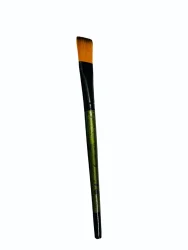
best painting brushes 1
https://idealbrushindustry.in/Best Painting Brushes: A Simple Guide to Choose the Perfect Brush Painting becomes easier and more enjoyable when you use the best painting brushes. A good brush helps you paint smooth lines, clean edges, and even surfaces. It holds paint well, spreads color evenly, and gives you better control. But many people do not know how to choose the right brush. They buy cheap brushes and get poor results. This guide will help you understand what makes a painting brush high quality and how to choose the best one for your project. Why a Good Painting Brush Matters The quality of your brush affects your final painting. Whether you paint walls, furniture, or artwork, a good brush helps you create a neat and smooth finish. It does not leave streaks. It does not shed bristles. It saves time and effort. A poor-quality brush can ruin your work. It drops bristles on the surface. It holds little paint. It creates uneven strokes. This is why choosing the best painting brush is important for beginners and professionals. Types of Painting Brushes 1. Flat Brush A flat brush has a straight edge. It works well for large areas and long strokes. It spreads paint evenly. It is great for walls, furniture, and artworks that need smooth layers. 2. Round Brush A round brush has a pointed tip. It helps you paint thin lines and small details. Artists use this brush for outlines and fine work. 3. Angled Brush An angled brush has slanted bristles. It helps you paint corners and edges with ease. It gives clean lines on trim, windows, and borders. 4. Fan Brush A fan brush spreads like a fan. Artists use it for blending and soft effects. It works well for trees, skies, and texture. 5. Detail Brush This is a small brush for tiny strokes. It helps you add details and fine touches to your artwork. How to Identify the Best Painting Brushes Not all brushes are the same. To find the best one, look for these features: ✔ Strong Bristles Good bristles should not fall out. They should be soft but firm. Synthetic bristles work well with water-based paint. Natural bristles work better with oil-based paint. ✔ Comfortable Handle A good handle feels light and easy to hold. It gives you full control. It should not slip from your hand. ✔ Tight Ferrule The ferrule is the metal band that holds the bristles. It should be tight and rust-free. A strong ferrule keeps the bristles in place. ✔ Even Stroke A high-quality painting brush applies paint smoothly. It does not leave lines or marks. It spreads color evenly on any surface. Best Painting Brushes for Different Tasks Each task needs a different type of brush. Here is a simple guide: • For Walls Choose a wide flat brush. It covers more area and gives smooth results. • For Trim and Edges Use an angled brush. It helps you paint clean lines without tape. • For Furniture Pick a medium flat brush. It works well for smooth and even coats. • For Artwork Use round, fan, and detail brushes depending on your style. • For Craft Projects Choose smaller synthetic brushes. They work well with acrylic paint. https://idealbrushindustry.in/Benefits of Using the Best Painting Brushes A good brush gives you many benefits: Smooth and clean strokes Better grip and control Less paint waste Neat and professional results Long-lasting performance Less fatigue while painting When you use the right brush, you enjoy your work more. You complete your project faster and with better quality. How to Take Care of Your Painting Brushes Brush care is very important. A well-maintained brush lasts long and works better. Follow these simple steps: Clean After Every UseWash your brush with the correct cleaner. Use water for water-based paint. Use thinner for oil-based paint. Dry ProperlyDo not twist or pull the bristles. Let the brush dry naturally. Store SafelyKeep your brush in a dry place. Do not press the bristles against anything. Shape the BristlesAfter washing, shape the bristles with your fingers. This helps them stay firm. Avoid Soaking Too LongDo not leave your brush in water for long. It weakens the handle and ferrule. Common Mistakes to Avoid Many people make simple mistakes that affect their painting results. Here are mistakes you should avoid: Choosing a brush only because it is cheap Using the same brush for all types of paint Leaving the brush dirty after use Buying the wrong size or shape Final Thoughts Choosing the best painting brushes can improve your painting project. A high-quality brush gives smooth strokes, better control, and long-lasting performance. It helps you work faster and with more confidence. Always check the bristles, handle, ferrule, and brush size before buying. Use the right brush for the right task. Take good care of your brushes so they last longer. https://idealbrushindustry.in/
best quality brush 1
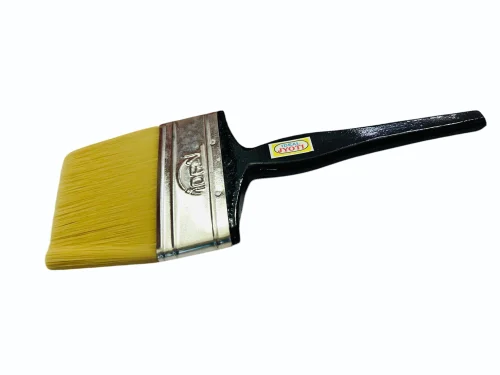
Best Quality Brush: A Complete Guide to Choosing the Right One Choosing the best quality brush can make your work easier and your results better. Many people do not think much about the type of brush they use. They only look at the price or size. But a good brush is more than that. It gives you smooth strokes, better control, and long-lasting performance. Whether you paint, apply makeup, clean surfaces, or style hair, the right brush helps you do the job with comfort. In this guide, you will learn how to choose the best quality brush, what features to look for, and how to take care of it. This article uses simple English so you can read and understand it with ease. https://idealbrushindustry.in/ Why a Best Quality Brush Is Important A high-quality brush makes your work look clean and professional. It does not shed bristles. It holds color or product well. It spreads evenly without leaving marks. A bad brush, on the other hand, wastes time and effort. It breaks, bends, and loses shape quickly. When you invest in a good brush, you get: Better control Smooth finish Less effort Longer life More comfort This is why people who care about results always choose quality tools. Different Types of Brushes and Their Uses There is no single brush for everything. Each type has a special purpose. Here are the main types of brushes you may need: 1. Paint Brushes for Walls and Furniture These brushes help you apply paint to large surfaces like walls, doors, and wood. A good paint brush spreads the paint smoothly without streaks. It holds paint well and does not drip. 2. Artist Brushes Artist brushes are small and soft. They help you create fine lines and detailed artwork. They come in many shapes like round, flat, angled, and fan. 3. Makeup Brushes Makeup brushes are soft and gentle on the skin. They help you blend foundation, blush, eyeshadow, and powder. A quality makeup brush gives a natural look and better coverage. 4. Hair Brushes Hair brushes detangle your hair and add shine. A good brush protects the scalp and reduces hair breakage. It also improves blood flow in the scalp. 5. Cleaning Brushes These brushes help scrub floors, tiles, dishes, and other surfaces. They have firm bristles for deep cleaning. A strong handle also helps apply pressure easily. https://idealbrushindustry.in/ How to Identify the Best Quality Brush ✔ Strong and Soft Bristles The bristles should be firm yet flexible. They should not fall out or break. Natural bristles are good for oil-based products. Synthetic bristles work better with water-based products. ✔ Durable Handle The handle should feel comfortable in your hand. It should not slip. A good handle reduces stress on your wrist during long work. ✔ Secure Ferrule The ferrule is the metal part that holds the bristles. A tight and rust-free ferrule keeps the bristles in place. ✔ Smooth and Even Application A high-quality brush spreads paint or product evenly. It does not leave lines or gaps behind. How to Choose the Right Size and Shape The size of the brush affects your final results. A big brush covers large areas quickly. A small brush helps you work on fine details. Round brushes are good for curves. Flat brushes are great for smooth and straight strokes. Choose the shape and size that match your job. Benefits of Using the Best Quality Brush Using a premium brush gives you many advantages: Better grip and comfort More control and precision Clean and smooth application Less product waste Long-lasting performance Better finish with less effort A good brush can last for a long time if you care for it properly. Follow these easy tips: Clean After Use Wash the bristles with mild soap or proper cleaner. Dry Gently Do not press or twist the bristles. Let the brush dry naturally. Store Safely Keep the brush in a clean and dry place. Do not crush the bristles. Avoid Harsh Chemicals Strong cleaners may damage the bristles. Common Mistakes People Make When Buying Brushes Many people make mistakes when they buy brushes. They choose based only on price. Some choose the wrong bristle type for the task. Others buy the wrong size or shape. These mistakes affect the final result. To avoid these problems, always think about: What surface you will work on What material suits your job How often you will use the brush How comfortable it feels in your hand Final Thoughts The best quality brush improves your work and saves time. It helps you IN paint, makeup, products w smooth and even results. Always check the bristles, handle, ferrule, and size before buying. When you care for your brush, it will last longer. A good brush is not just a tool. It is a partner in your work. Choose wisely, and you will enjoy better results every time
@ideal brush industry
https://idealbrushindustry.in/ The Ideal Brush Industry In today’s world, creating good quality paint brushes means combining traditional craft with smart design and manufacturing. An “ideal” brush industry is one that makes brushes which are reliable, suitable for many uses, and built to last. . What the brush industry is The brush industry refers to the businesses and factories that make paint brushes—tools used to apply paint, varnish or coatings to surfaces like walls, furniture, steel, cars or art canvases. This includes brushes with natural bristles (animal hair), synthetic bristles (man-made fibres) or mixed materials. For example, synthetic brushes are becoming more common because they work well with modern paints and are easier to maintain. (Persistence Market Research). . What makes an “ideal” brush industry To define “ideal,” here are key features the industry should aim for: Quality and performance: Brushes should hold paint well, apply it evenly, and last through multiple uses. The bristles should be properly fixed and the handle comfortable and durable. Versatility: There should be a range of brushes for different tasks: large flat brushes for walls, fine brushes for detail work, synthetic bristles for certain paints, natural bristles for others. Innovation: The industry should keep improving materials (for example, new synthetic fibres), brush shapes, ergonomic handles, and sustainable manufacturing. As one report says, new brush design is making brushes more efficient and easier to use. (wiseguyreports.com) Affordability and accessibility: Good brushes should be available at reasonable prices, so both professionals and everyday users can access decent tools. Sustainability and ethics: With increasing awareness, an ideal industry will avoid harmful materials (for example, replacing animal hair with high-quality synthetics), reduce waste, and ensure fair working conditions. https://idealbrushindustry.in/ Key materials and components Bristles: Can be natural (animal hair) or synthetic (nylon, polyester, etc.). Natural bristles are still used in high-end applications, but synthetics are gaining because of cost, durability and suitability for modern paints. (wiseguyreports.com) Handle and ferrule (the metal part that holds bristles): The handle might be wood, plastic or metal. Each has pros and cons. Wooden handles feel traditional; plastic is cheap and lightweight; metal can be very durable. One report states that in the industrial brush market, wooden handles dominated. (wiseguyreports.com) Manufacturing process: Clean and precise manufacturing ensures bristles are aligned correctly, handles are smooth, ferrules are firmly attached. Modernising these steps improves the outcome. Industry commentary mentions how brush manufacturing has evolved over time. (valleybrush.com) . Challenges the industry faces An ideal industry must also face and overcome challenges: Competition and pricing pressure: Many players globally compete, which can drive down prices, sometimes at the expense of quality. One article notes that choosing cheap brushes may cost more in the long run because of poor performance. (Painters Solutions) Raw material costs and supply: Natural bristles and good wood for handles can cost more; synthetic materials must meet high performance standards. Changing technologies and substitute tools: In industrial settings, other coating methods (spraying, rollers, automated systems) can reduce brush use. The brush industry must adapt and find niches. (wiseguyreports.com) Sustainability demands: Environmental and ethical concerns push manufacturers to shift away from animal-based bristles and reduce waste, which can require investment. Meeting varied user needs: Professionals, DIY users, industrial clients all have different requirements—for performance, durability, cost—and balancing these is complex. Stay sustainable and ethical: minimise waste, avoid or responsibly source animal hair, ensure fair labour practices. . Why the ideal brush industry matters Having a strong brush industry is valuable because: It supports other industries (painting, construction, manufacturing, arts) by providing reliable tools. It helps people get better outcomes: a high-quality brush means smoother finishes, less rework, less waste. It opens business and job opportunities: manufacturing jobs, supply chain roles, R&D. It aligns with DIY and home improvement trends, letting more people tackle painting tasks with confidence. It fits wider industrial growth: as buildings, infrastructure and manufacturing grow globally, demand for paint and tools grows too. . Conclusion In simple words: the ideal brush industry makes really good brushes, covers many uses, keeps improving, treats nature and people well, and serves both professionals and everyday users. It knows that a paint brush is more than just a tool—it touches the end result of painting work, how it looks, how long it lasts, how smoothly it goes. https://idealbrushindustry.in/