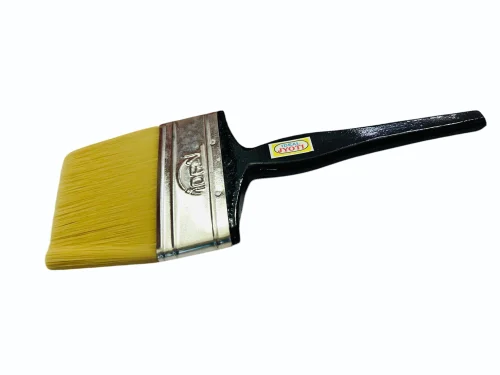
https://idealbrushindustry.in/
The Ideal Brush Industry
In today’s world, creating good quality paint brushes means combining traditional craft with smart design and manufacturing. An “ideal” brush industry is one that makes brushes which are reliable, suitable for many uses, and built to last.
. What the brush industry is
The brush industry refers to the businesses and factories that make paint brushes—tools used to apply paint, varnish or coatings to surfaces like walls, furniture, steel, cars or art canvases. This includes brushes with natural bristles (animal hair), synthetic bristles (man-made fibres) or mixed materials. For example, synthetic brushes are becoming more common because they work well with modern paints and are easier to maintain. (Persistence Market Research).
. What makes an “ideal” brush industry
To define “ideal,” here are key features the industry should aim for:
- Quality and performance: Brushes should hold paint well, apply it evenly, and last through multiple uses. The bristles should be properly fixed and the handle comfortable and durable.
- Versatility: There should be a range of brushes for different tasks: large flat brushes for walls, fine brushes for detail work, synthetic bristles for certain paints, natural bristles for others.
- Innovation: The industry should keep improving materials (for example, new synthetic fibres), brush shapes, ergonomic handles, and sustainable manufacturing. As one report says, new brush design is making brushes more efficient and easier to use. (wiseguyreports.com)
- Affordability and accessibility: Good brushes should be available at reasonable prices, so both professionals and everyday users can access decent tools.
- Sustainability and ethics: With increasing awareness, an ideal industry will avoid harmful materials (for example, replacing animal hair with high-quality synthetics), reduce waste, and ensure fair working conditions.
- https://idealbrushindustry.in/
- Key materials and components
- Bristles: Can be natural (animal hair) or synthetic (nylon, polyester, etc.). Natural bristles are still used in high-end applications, but synthetics are gaining because of cost, durability and suitability for modern paints. (wiseguyreports.com)
- Handle and ferrule (the metal part that holds bristles): The handle might be wood, plastic or metal. Each has pros and cons. Wooden
 handles feel traditional; plastic is cheap and lightweight; metal can be very durable. One report states that in the industrial brush market, wooden handles dominated. (wiseguyreports.com)
 - Manufacturing process: Clean and precise manufacturing ensures bristles are aligned correctly, handles are smooth, ferrules are firmly attached. Modernising these steps improves the outcome. Industry commentary mentions how brush manufacturing has evolved over time. (valleybrush.com)
 handles feel traditional; plastic is cheap and lightweight; metal can be very durable. One report states that in the industrial brush market, wooden handles dominated. (
. Challenges the industry faces
An ideal industry must also face and overcome challenges:
- Competition and pricing pressure: Many players globally compete, which can drive down prices, sometimes at the expense of quality. One article notes that choosing cheap brushes may cost more in the long run because of poor performance. (Painters Solutions)
- Raw material costs and supply: Natural bristles and good wood for handles can cost more; synthetic materials must meet high performance standards.
- Changing technologies and substitute tools: In industrial settings, other coating methods (spraying, rollers, automated systems) can reduce brush use. The brush industry must adapt and find niches. (wiseguyreports.com)
- Sustainability demands: Environmental and ethical concerns push manufacturers to shift away from animal-based bristles and reduce waste, which can require investment.
- Meeting varied user needs: Professionals, DIY users, industrial clients all have different requirements—for performance, durability, cost—and balancing these is complex.
- Stay sustainable and ethical: minimise waste, avoid or responsibly source animal hair, ensure fair labour practices.
. Why the ideal brush industry matters
Having a strong brush industry is valuable because:
- It supports other industries (painting, construction, manufacturing, arts) by providing reliable tools.
- It helps people get better outcomes: a high-quality brush means smoother finishes, less rework, less waste.
- It opens business and job opportunities: manufacturing jobs, supply chain roles, R&D.
- It aligns with DIY and home improvement trends, letting more people tackle painting tasks with confidence.
- It fits wider industrial growth: as buildings, infrastructure and manufacturing grow globally, demand for paint and tools grows too.
. Conclusion
In simple words: the ideal brush industry makes really good brushes, covers many uses, keeps improving, treats nature and people well, and serves both professionals and everyday users. It knows that a paint brush is more than just a tool—it touches the end result of painting work, how it looks, how long it lasts, how smoothly it goes.