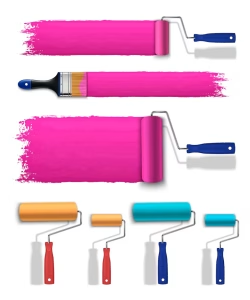
https://idealbrushindustry.in/brush vs rollerPainting Wall Brush vs Roller: Which One Should You Use?
When you paint a wall, the tool you choose matters a lot. Most people use either a paint brush or a paint roller. Both tools help you apply paint. But they work in different ways. Each has its own benefits. Each also has its own limits. This simple guide explains the difference between a wall paint brush vs roller so you can pick the best one for your project.
Why Choosing the Right Tool Matters
The right tool helps you work faster. It also helps you get a smooth and clean finish. If you choose the wrong tool, you may see streaks, marks, or uneven paint. This means more work and more time.
Understanding the difference between brushes and rollers makes painting easier for beginners and experts.
What Is a Paint Brush?
A paint brush has bristles. The bristles can be natural or synthetic. Brushes come in many sizes. Some are small for detail work. Some are big for larger areas. Brushes are easy to hold and control. They are great for careful and slow painting.
When to Use a Brush
A brush works best for:
-
Corners
-
Edges
-
Window frames
-
Door frames
-
Small sections
-
Tight spaces
-
Trims
-
Touch-ups
Brushes give you control. You can move them slowly and carefully. They help you paint neat lines.
What Is a Paint Roller?
A paint roller has a cylinder covered with fabric or foam. It holds a lot of paint. It spreads paint fast. Rollers come in different sizes and textures. A small roller works for small spaces. A large roller covers walls quickly.
When to Use a Roller
A roller works best for:
-
Large walls
-
Ceilings
-
Big rooms
-
Quick coverage
-
Smooth finishes
Rollers spread paint evenly. They help you finish big areas in less time.
Painting Wall Brush vs Roller: Key Differences
Here are the main differences between a brush and a roller:
1. Speed
-
Brush: Slow
-
Roller: Fast
Rollers cover large areas quickly. Brushes take more time.
2. Control
-
Brush: High control
-
Roller: Medium control
Brushes help you paint clean lines. Rollers do not work well on small details.
3. Surface
-
Brush: Good for edges and corners
-
Roller: Good for wide, flat surfaces
Rollers work better on walls and ceilings. Brushes work better on edges and trims.
4. Finish Type
-
Brush: Smooth but sometimes shows brush marks
-
Roller: Smooth and even coverage
Rollers leave fewer streaks on large areas.
5. Paint Amount
-
Brush: Holds less paint
-
Roller: Holds more paint
Rollers reduce the number of times you need to dip into the paint tray.
6. Cost
-
Brush: Usually cheaper
-
Roller: Slightly more expensive
Both tools are affordable, but rollers cost more.
 Pros and Cons of Paint Brushes
Pros
-
Great control
-
Perfect for detailed work
-
Easy to use
-
Good for corners
-
Works with all paint types
Cons
-
Slow
-
Leaves brush marks sometimes
-
Not ideal for large walls
Pros and Cons of Paint Rollers
Pros
-
Fast coverage
-
Smooth finish
-
Holds more paint
-
Great for big walls
-
Reduces streaks
Cons
-
Not good for edges
-
Hard to use in tight spaces
-
Can splatter paint
Which One Should You Use?
Choosing between a brush and a roller depends on your project.
Use a Brush If:
-
You are painting corners.
-
You need clean lines.
-
You are working on trim or windows.
-
You want more control.
-
You are doing small touch-ups.
Use a Roller If:
-
You are painting a large wall.
-
You want to finish fast.
-
You want a smooth and even finish.
-
You want to cover a big area with fewer strokes.
Most painters use both tools. This gives the best results.
How to Use a Brush and Roller Together
For the best finish, use both tools. Here is a simple and easy method:
Step 1: Cut In the Edges
Use a small or angled brush. Paint around the edges, corners, and borders first.
Step 2: Use the Roller for the Main Area
Load your roller with paint. Roll it on the tray to spread the paint evenly. Then roll it on the wall in smooth strokes.
Step 3: Blend the Areas
Roll lightly over the painted edges to blend them with the wall. This removes lines and gives a smooth look.
Step 4: Apply a Second Coat
Wait for the first coat to dry. Then repeat the steps. Two thin coats look better than one thick coat.
https://idealbrushindustry.in/Tips for Better Results
-
Use a short nap roller for smooth walls.
-
Choose a good-quality brush.
-
Do not overload your brush or roller.
-
Move the roller in a “W” pattern.
-
Paint from top to bottom.
-
Keep strokes light and even.
Final Thoughts
When comparing painting wall brush vs roller, both tools are useful. A brush gives control and neat lines. A roller gives speed and smooth coverage. The best results come when you use both together. Use brushes for detail work and rollers for big areas.https://idealbrushindustry.in/